Supported cities
51
City profiles indexed for Norway.
Northern Europe
Norway's profile reflects strong public services, hydropower-led low-carbon electricity, and steady investment in transport and resilience infrastructure. Norway is indexed at the country level in Northern Europe, with 51 city profiles linked below.

Geirangerfjord
Image credit: Image: Diego Delso / Wikimedia Commons, CC BY-SA 4.0
Additional verified imagery for Norway. Each photo is sourced from Wikimedia Commons with full attribution and a permissive license.

Preikestolen
Image credit: Image: Stefan Krause, Germany / Wikimedia Commons, CC BY-SA 3.0
Snapshot of structured Norway city intelligence and which verified utility layers are available on this hub.
Supported cities
51
City profiles indexed for Norway.
Emergency profile
Fallback
Verified emergency data is not available; fallback context is shown.
Healthcare profile
Fallback
Verified healthcare data is not available; fallback context is shown.
Transport profile
Fallback
Verified transport data is not available; fallback context is shown.
Related comparisons
1
Curated city-vs-city comparison pages that reference this country.
Related collections
2
Best Cities collections that include at least one city from this country.
Data year
2025
Reference year for the country intelligence dataset.
Last updated
2026-05-16
Most recent platform-side review of the country hub.
Hydropower-led
Hydroelectric generation dominates national electricity supply.
Very high
Public services support a stable urban operating environment.
Cool maritime
Northern-Europe context limits sustained summer heat exposure.
Country pages group cities into crawlable clusters and give national context without replacing city-level comparisons.
| Metric | Value | Context |
|---|---|---|
| Region | Northern Europe | Used for geographic clustering and regional comparisons. |
| Indexed cities | 51 | Stavanger, Tromso, Kristiansand, Bergen, Trondheim, Oslo, Fredrikstad, Sandvika, Sandnes, Tønsberg, Sandnes Municipality, Sarpsborg, Ålesund, Moss, Skien, Sandefjord, Tromsø Municipality, Drammen, Narvik, Lillehammer, Bærum Municipality, Mo i Rana, Arendal, Hamar Municipality, Molde Municipality, Larvik, Haugesund Municipality, Bodø, Halden, Steinkjer Municipality, Gjøvik Municipality, Alta, Egersund, Drøbak, Porsgrunn, Kongsberg, Hammerfest, Kristiansund Municipality, Lørenskog, Florø, Grimstad, Mosjøen, Vadsø, Ullensaker Municipality, Harstad, Eidsvoll Municipality, Karmøy Municipality, Jessheim, Elverum Municipality, Stavanger/Sandnes, Stjørdalshalsen |
| Energy mix | Hydropower-led | Hydroelectric generation dominates national electricity supply. |
| Service quality | Very high | Public services support a stable urban operating environment. |
| Climate context | Cool maritime | Northern-Europe context limits sustained summer heat exposure. |
Each linked city page includes its own metadata, data table, source block, module links, and any verified utility layers.
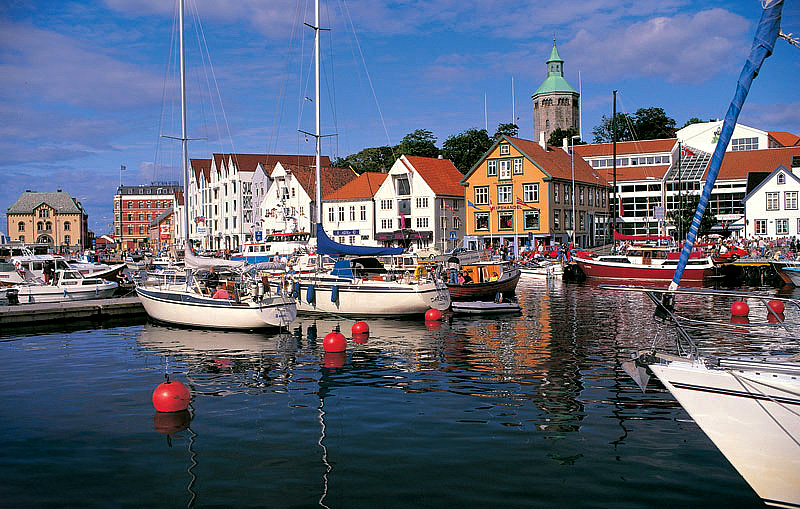
Image credit: Image: Original by Odd Inge Worsøe / Wikimedia Commons, CC BY-SA 3.0
Norway / Northern Europe
Use the Stavanger profile to compare affordability, air quality, energy, and resilience dimensions alongside regional peers such as Bergen and Oslo.

Image credit: Image: The Municipality of Tromsø from Tromsø, Norway / Wikimedia Commons, CC BY 2.0
Norway / Northern Europe
Use the Tromso profile to compare affordability, air quality, energy, and resilience dimensions alongside regional peers such as Trondheim and Oslo.

Image credit: Image: Jarle Hammen Knudsen (dubidubno) / Wikimedia Commons, CC BY-SA 4.0
Norway / Northern Europe
Use the Kristiansand profile to compare affordability, air quality, energy, and resilience dimensions alongside regional peers such as Oslo and Bergen.

Image credit: Image: Diego Delso / Wikimedia Commons, CC BY-SA 4.0
Norway / Northern Europe
Use the Bergen profile to compare affordability, air quality, and energy dimensions alongside regional peers such as Oslo.

Image credit: Image: Åge Hojem/Trondheim Havn from Trondheim, Norway / Wikimedia Commons, CC BY-SA 2.0
Norway / Northern Europe
Use the Trondheim profile to compare cost framing, air quality, and energy dimensions alongside regional peers such as Oslo.

Image credit: Image: Sean Hayford O'Leary / Wikimedia Commons, CC BY 2.0
Norway / Northern Europe
Read Oslo as a stable, climate-forward capital where higher costs are balanced by service depth, electrification, and outdoor amenity.

Image credit: Image: Thomas M. Hansen / Wikimedia Commons, CC BY-SA 3.0
Norway / Northern Europe
Use the Fredrikstad profile to compare affordability, livability, and economic indicators against other indexed cities in Norway and across Northern Europe, and to explore nearby nature and weekend destinations.

Image credit: Image: Leifern / Wikimedia Commons, CC BY-SA 3.0
Norway / Northern Europe
Use the Sandvika profile to compare affordability, livability, and economic indicators against other indexed cities in Norway and across Northern Europe, and to explore nearby nature and weekend destinations.

Image credit: Image: Aqwis / Wikimedia Commons, CC BY-SA 3.0
Norway / Northern Europe
Use the Sandnes profile to compare affordability, livability, and economic indicators against other indexed cities in Norway and across Northern Europe, and to explore nearby nature and weekend destinations.

Image credit: Image: Wikimedia Commons contributor / Wikimedia Commons, CC BY-SA 3.0
Norway / Northern Europe
Use the Tønsberg profile to compare affordability, livability, and economic indicators against other indexed cities in Norway and across Northern Europe, and to explore nearby nature and weekend destinations.

Image credit: Image: Alexey Topolyanskiy / Wikimedia Commons, CC0
Norway / Northern Europe
Use the Sandnes Municipality profile to compare affordability, livability, and economic indicators against other indexed cities in Norway and across Northern Europe, and to explore nearby nature and weekend destinations.

Image credit: Image: Åshild Telle / Wikimedia Commons, CC BY-SA 3.0
Norway / Northern Europe
Use the Sarpsborg profile to compare affordability, livability, and economic indicators against other indexed cities in Norway and across Northern Europe, and to explore nearby nature and weekend destinations.

Image credit: Image: renato agostini / Wikimedia Commons, CC BY-SA 3.0
Norway / Northern Europe
Use the Ålesund profile to compare affordability, livability, and economic indicators against other indexed cities in Norway and across Northern Europe, and to explore nearby nature and weekend destinations.

Image credit: Image: Røed / Wikimedia Commons, CC BY-SA 2.5
Norway / Northern Europe
Use the Moss profile to compare affordability, livability, and economic indicators against other indexed cities in Norway and across Northern Europe, and to explore nearby nature and weekend destinations.

Image credit: Image: Bitjungle / Wikimedia Commons, CC BY-SA 3.0
Norway / Northern Europe
Use the Skien profile to compare affordability, livability, and economic indicators against other indexed cities in Norway and across Northern Europe, and to explore nearby nature and weekend destinations.

Image credit: Image: Helge Høifødt / Wikimedia Commons, CC BY-SA 3.0
Norway / Northern Europe
Use the Sandefjord profile to compare affordability, livability, and economic indicators against other indexed cities in Norway and across Northern Europe, and to explore nearby nature and weekend destinations.

Image credit: Image: Svein-Magne Tunli - tunliweb.no / Wikimedia Commons, CC BY-SA 4.0
Norway / Northern Europe
Use the Tromsø Municipality profile to compare affordability, livability, and economic indicators against other indexed cities in Norway and across Northern Europe, and to explore nearby nature and weekend destinations.
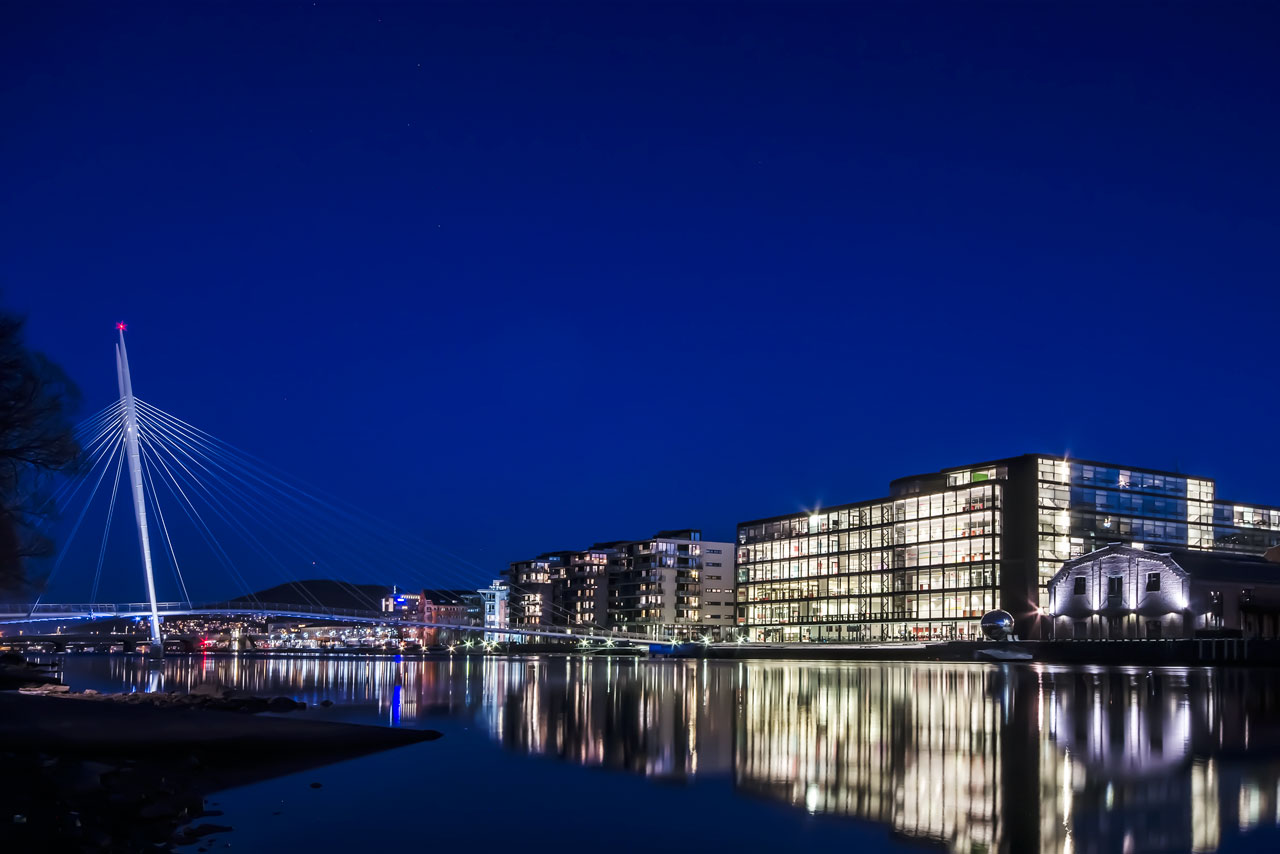
Image credit: Image: Knut Arne Gjertsen / Wikimedia Commons, CC BY-SA 3.0
Norway / Northern Europe
Use the Drammen profile to compare affordability, livability, and economic indicators against other indexed cities in Norway and across Northern Europe, and to explore nearby nature and weekend destinations.

Image credit: Image: Tom Corser / Wikimedia Commons, CC BY-SA 2.0
Norway / Northern Europe
Use the Narvik profile to compare affordability, livability, and economic indicators against other indexed cities in Norway and across Northern Europe, and to explore nearby nature and weekend destinations.

Image credit: Image: Stian Rognhaugen / Wikimedia Commons, CC BY-SA 4.0
Norway / Northern Europe
Use the Lillehammer profile to compare affordability, livability, and economic indicators against other indexed cities in Norway and across Northern Europe, and to explore nearby nature and weekend destinations.

Image credit: Image: Randi Hausken from Bærum, Norway / Wikimedia Commons, CC BY-SA 2.0
Norway / Northern Europe
Use the Bærum Municipality profile to compare affordability, livability, and economic indicators against other indexed cities in Norway and across Northern Europe, and to explore nearby nature and weekend destinations.

Image credit: Image: Hesse1309 / Wikimedia Commons, CC BY-SA 3.0
Norway / Northern Europe
Use the Mo i Rana profile to compare affordability, livability, and economic indicators against other indexed cities in Norway and across Northern Europe, and to explore nearby nature and weekend destinations.

Image credit: Image: Karl Ragnar Gjertsen / Wikimedia Commons, CC BY-SA 4.0
Norway / Northern Europe
Use the Arendal profile to compare affordability, livability, and economic indicators against other indexed cities in Norway and across Northern Europe, and to explore nearby nature and weekend destinations.

Image credit: Image: John Christian Fjellestad / Wikimedia Commons, CC BY 3.0
Norway / Northern Europe
Use the Hamar Municipality profile to compare affordability, livability, and economic indicators against other indexed cities in Norway and across Northern Europe, and to explore nearby nature and weekend destinations.

Image credit: Image: Erik den yngre / Wikimedia Commons, CC BY-SA 4.0
Norway / Northern Europe
Use the Molde Municipality profile to compare affordability, livability, and economic indicators against other indexed cities in Norway and across Northern Europe, and to explore nearby nature and weekend destinations.

Image credit: Image: Vestfoldmuseene from Sandefjord, Norway / Wikimedia Commons, CC BY-SA 2.0
Norway / Northern Europe
Use the Larvik profile to compare affordability, livability, and economic indicators against other indexed cities in Norway and across Northern Europe, and to explore nearby nature and weekend destinations.

Image credit: Image: Wolfmann / Wikimedia Commons, CC BY-SA 4.0
Norway / Northern Europe
Use the Haugesund Municipality profile to compare affordability, livability, and economic indicators against other indexed cities in Norway and across Northern Europe, and to explore nearby nature and weekend destinations.

Image credit: Image: Røed 20:41, 24 July 2006 (UTC) / Wikimedia Commons, CC BY-SA 2.5
Norway / Northern Europe
Use the Bodø profile to compare affordability, livability, and economic indicators against other indexed cities in Norway and across Northern Europe, and to explore nearby nature and weekend destinations.

Image credit: Image: Kjetil Bjørnsrud / Wikimedia Commons, CC BY 2.5
Norway / Northern Europe
Use the Halden profile to compare affordability, livability, and economic indicators against other indexed cities in Norway and across Northern Europe, and to explore nearby nature and weekend destinations.

Image credit: Image: Mikeiamunion21 / Wikimedia Commons, CC BY-SA 3.0
Norway / Northern Europe
Use the Steinkjer Municipality profile to compare affordability, livability, and economic indicators against other indexed cities in Norway and across Northern Europe, and to explore nearby nature and weekend destinations.

Image credit: Image: Øyvind Holmstad / Wikimedia Commons, CC BY-SA 4.0
Norway / Northern Europe
Use the Gjøvik Municipality profile to compare affordability, livability, and economic indicators against other indexed cities in Norway and across Northern Europe, and to explore nearby nature and weekend destinations.

Image credit: Image: The original uploader was Haavis at Norwegian Wikipedia . / Wikimedia Commons, Public Domain
Norway / Northern Europe
Use the Alta profile to compare affordability, livability, and economic indicators against other indexed cities in Norway and across Northern Europe, and to explore nearby nature and weekend destinations.

Image credit: Image: Vogler / Wikimedia Commons, CC BY-SA 4.0
Norway / Northern Europe
Use the Egersund profile to compare affordability, livability, and economic indicators against other indexed cities in Norway and across Northern Europe, and to explore nearby nature and weekend destinations.

Image credit: Image: Leifern / Wikimedia Commons, CC BY-SA 3.0
Norway / Northern Europe
Use the Drøbak profile to compare affordability, livability, and economic indicators against other indexed cities in Norway and across Northern Europe, and to explore nearby nature and weekend destinations.

Image credit: Image: Porsgrunnspuls / Wikimedia Commons, CC BY-SA 4.0
Norway / Northern Europe
Use the Porsgrunn profile to compare affordability, livability, and economic indicators against other indexed cities in Norway and across Northern Europe, and to explore nearby nature and weekend destinations.

Image credit: Image: User:Mahlum / Wikimedia Commons, Public Domain
Norway / Northern Europe
Use the Kongsberg profile to compare affordability, livability, and economic indicators against other indexed cities in Norway and across Northern Europe, and to explore nearby nature and weekend destinations.

Image credit: Image: User:Clemensfranz / Wikimedia Commons, CC BY-SA 3.0
Norway / Northern Europe
Use the Hammerfest profile to compare affordability, livability, and economic indicators against other indexed cities in Norway and across Northern Europe, and to explore nearby nature and weekend destinations.

Image credit: Image: Harald Oppedal / Wikimedia Commons, CC BY 3.0
Norway / Northern Europe
Use the Kristiansund Municipality profile to compare affordability, livability, and economic indicators against other indexed cities in Norway and across Northern Europe, and to explore nearby nature and weekend destinations.

Image credit: Image: Hans A. Rosbach / Wikimedia Commons, CC BY-SA 3.0
Norway / Northern Europe
Use the Lørenskog profile to compare affordability, livability, and economic indicators against other indexed cities in Norway and across Northern Europe, and to explore nearby nature and weekend destinations.

Image credit: Image: Frokor / Wikimedia Commons, CC BY-SA 3.0
Norway / Northern Europe
Use the Florø profile to compare affordability, livability, and economic indicators against other indexed cities in Norway and across Northern Europe, and to explore nearby nature and weekend destinations.
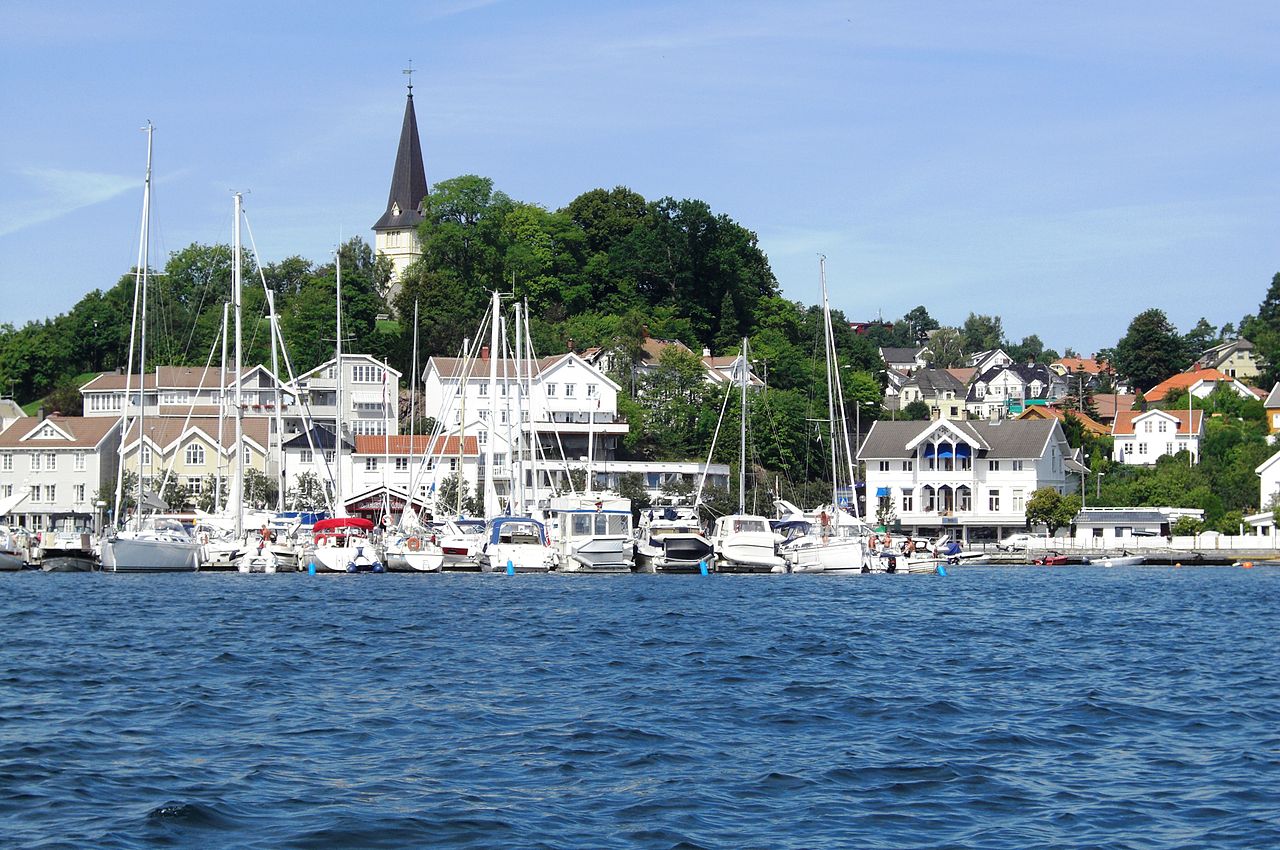
Image credit: Image: Colliekar / Wikimedia Commons, CC BY-SA 4.0
Norway / Northern Europe
Use the Grimstad profile to compare affordability, livability, and economic indicators against other indexed cities in Norway and across Northern Europe, and to explore nearby nature and weekend destinations.

Image credit: Image: Basketbread / Wikimedia Commons, CC BY 3.0
Norway / Northern Europe
Use the Mosjøen profile to compare affordability, livability, and economic indicators against other indexed cities in Norway and across Northern Europe, and to explore nearby nature and weekend destinations.

Image credit: Image: Felix Maschek, Hamburg / Wikimedia Commons, CC BY-SA 2.0
Norway / Northern Europe
Use the Vadsø profile to compare affordability, livability, and economic indicators against other indexed cities in Norway and across Northern Europe, and to explore nearby nature and weekend destinations.

Image credit: Image: Wolfmann / Wikimedia Commons, CC BY-SA 4.0
Norway / Northern Europe
Use the Ullensaker Municipality profile to compare affordability, livability, and economic indicators against other indexed cities in Norway and across Northern Europe, and to explore nearby nature and weekend destinations.

Image credit: Image: Stevenilsen / Wikimedia Commons, CC BY-SA 4.0
Norway / Northern Europe
Use the Harstad profile to compare affordability, livability, and economic indicators against other indexed cities in Norway and across Northern Europe, and to explore nearby nature and weekend destinations.

Image credit: Image: Jeglikerpotet / Wikimedia Commons, CC0
Norway / Northern Europe
Use the Eidsvoll Municipality profile to compare affordability, livability, and economic indicators against other indexed cities in Norway and across Northern Europe, and to explore nearby nature and weekend destinations.

Image credit: Image: Jan-Tore Egge / Wikimedia Commons, CC BY-SA 4.0
Norway / Northern Europe
Use the Karmøy Municipality profile to compare affordability, livability, and economic indicators against other indexed cities in Norway and across Northern Europe, and to explore nearby nature and weekend destinations.

Image credit: Image: Wolfmann / Wikimedia Commons, CC BY-SA 4.0
Norway / Northern Europe
Use the Jessheim profile to compare affordability, livability, and economic indicators against other indexed cities in Norway and across Northern Europe, and to explore nearby nature and weekend destinations.

Image credit: Image: User:Jensens / Wikimedia Commons, Public Domain
Norway / Northern Europe
Use the Elverum Municipality profile to compare affordability, livability, and economic indicators against other indexed cities in Norway and across Northern Europe, and to explore nearby nature and weekend destinations.

Image credit: Image: NASA Landsat imagery / Wikimedia Commons, Public Domain
Norway / Northern Europe
Use the Stavanger/Sandnes profile to compare affordability, livability, and economic indicators against other indexed cities in Norway and across Northern Europe, and to explore nearby nature and weekend destinations.
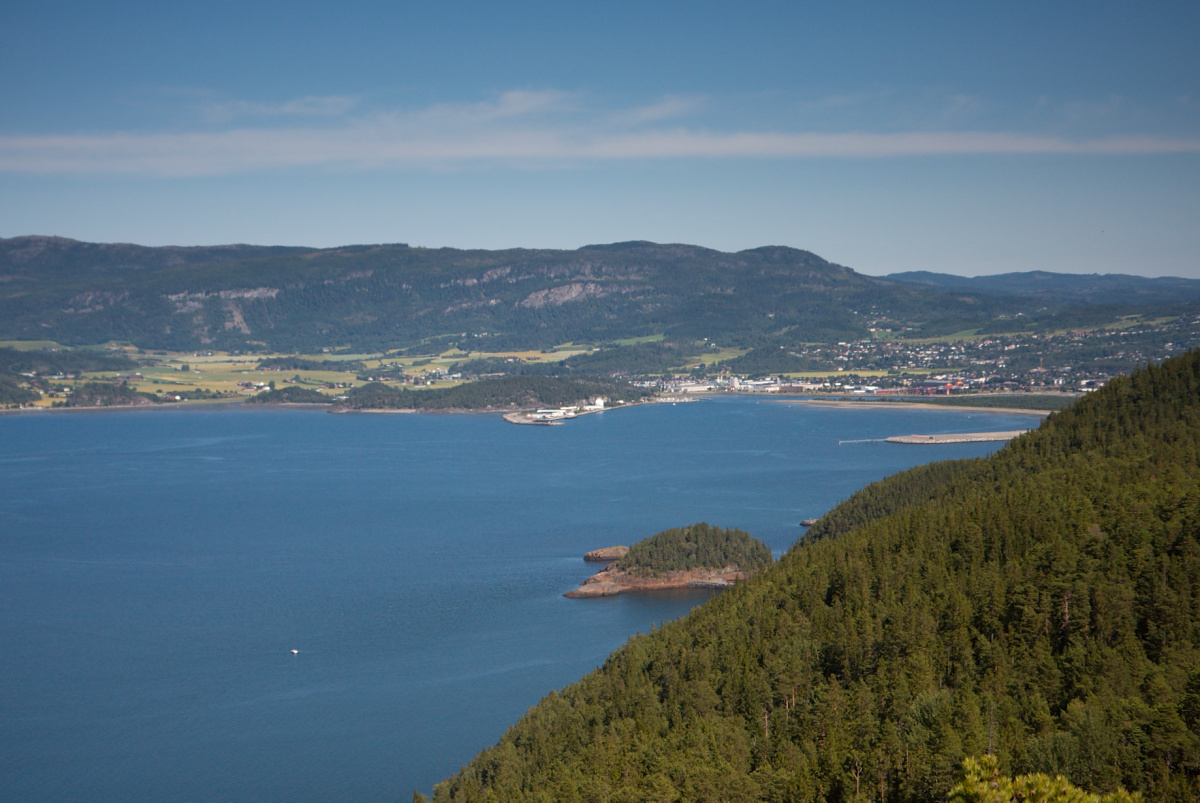
Image credit: Image: Eivind Barstad Waaler / Wikimedia Commons, CC BY-SA 2.0
Norway / Northern Europe
Use the Stjørdalshalsen profile to compare affordability, livability, and economic indicators against other indexed cities in Norway and across Northern Europe, and to explore nearby nature and weekend destinations.
Source-attributed country-level indicators for Norway, drawn from the World Bank Development Indicators. Use the cards and table together to compare scale, unit, and data year for each metric.
Country-level, not city-level
Indicators describe national context. Pair them with city profiles, comparisons, and verified utility layers (emergency, healthcare, transport) for local detail.
Source-attributed where available
Values come from the World Bank Development Indicators. Where no verified record exists, the platform shows a transparent fallback rather than a guessed number.
Different indicators, different years
Each record carries its own data year because publishers refresh indicators on their own cadence. The card and table both display the year alongside the value.
Context, not a ranking
Treat indicators as orientation, not as a leaderboard. The platform never claims any country is best, safest, cleanest, richest, healthiest, or most connected.
Read alongside city intelligence
Country indicators are most useful when combined with the city profiles in the country, the public-safety, healthcare, and transport sections, and the methodology and data-sources pages.
For full construction details, read the methodology page and the data sources registry.
National-level economic signals to read alongside city-level cost and services pages.
GDP per capita
VerifiedEconomic context only — not a cost-of-living score or a household-income measure.
Data year 2024 updated 2026-04-08
Unemployment rate
VerifiedModeled ILO labor-market context — not a guarantee of job availability for any specific worker.
Data year 2025 updated 2026-04-08
National scale and urbanisation context; pair with city profiles for local detail.
Population
VerifiedNational scale only — not a city population value or a measure of urban density.
Data year 2024 updated 2026-04-08
Urban population share
VerifiedShare of population living in urban areas — not a quality-of-life or urban-form measure.
Data year 2024 updated 2026-04-08
Connectivity context drawn from World Bank usage and subscription indicators.
Internet usage
VerifiedShare of population that uses the internet — not a measure of connection speed or quality.
Data year 2024 updated 2026-04-08
Fixed broadband subscriptions
VerifiedFixed broadband subscriptions per 100 people — not a measure of overall internet quality or speed.
Data year 2024 updated 2026-04-08
National health-system context; not a substitute for verified city-level healthcare layers.
Life expectancy
VerifiedNational health-context indicator — not individual health guidance.
Data year 2024 updated 2026-04-08
Health expenditure per capita
VerifiedPer-capita spending context — not a measure of healthcare quality or access for any individual.
Data year 2023 updated 2026-04-08
National emissions context; read separately from city-level air-quality data.
CO₂ emissions per capita
VerifiedNational emissions context — not a city-level air-quality measurement.
Data year 2024 updated 2026-04-08
| Indicator | Value | Unit | Data year | Status |
|---|---|---|---|---|
| Population | 5,572,279 | people | 2024 | Verified |
| Internet usage | 99 | percent | 2024 | Verified |
| Urban population share | 83.33 | percent | 2024 | Verified |
| GDP per capita | 86,785.43 | current US$ | 2024 | Verified |
| Life expectancy | 83.16 | years | 2024 | Verified |
| Health expenditure per capita | 8,296.36 | current US$ | 2023 | Verified |
| Unemployment rate | 4.64 | percent | 2025 | Verified |
| CO₂ emissions per capita | 7.18 | metric tons per capita | 2024 | Verified |
| Fixed broadband subscriptions | 45.16 | per 100 people | 2024 | Verified |
Global City Intelligence — country indicators dataset
VerifiedCountry indicator values appear in this section only after they are sourced from accepted publishers and validated at build time. Malformed records cannot ship to production.
Verified emergency contacts for Norway, drawn from official emergency services and government publishers. Use these as a starting point and confirm current details with local authorities before traveling or relocating.
Methodology and the wider source registry are documented on the scoring methodology and data sources pages.
Verified national healthcare information for Norway, drawn from official government and public health publishers. This is informational only and does not provide medical advice.
Related sections: emergency and public safety, scoring methodology, and data sources.
Verified national transport context for Norway, attributed to official transport ministries, national operators, and aviation authorities. This is informational only; routes, fares, and schedules change frequently — check the linked authorities for current details.
Related sections: emergency and public safety, healthcare and hospitals, cities directory, countries directory, scoring methodology, data sources.
Curated city-vs-city comparisons that include at least one city from Norway. Each link opens a comparison page with structured indicators across cost, safety, healthcare, transport, and country context.
Curated city collections that include at least one Norway city. Each collection is a comparison-oriented shortlist, not an official ranking.
Family life
A comparison-oriented collection of cities seen through family-relevant context: safety, healthcare, public services, transport, air quality, and livability indicators. Designed for comparison, not as an official family ranking.
1 city from Norway in this collection
Clean air
An air quality-oriented city collection. Designed for comparison through WHO and regional air-quality context — not a ranked claim of which city has the cleanest air.
1 city from Norway in this collection
Explore rankings where supported Norway city profiles appear. Use rankings as directional city intelligence, not an official government ranking.
Ranking
A balanced ranking of cities across affordability, air quality, clean-energy readiness, and resilience.
51 cities from Norway appears in this ranking
Ranking
Cities that combine strong services, mobility, safety, clean air, and resilience into a healthy day-to-day profile.
51 cities from Norway appears in this ranking
Ranking
Cities that combine fast connectivity, safety, healthy day-to-day life, and a manageable cost-of-living balance for remote and hybrid workers.
51 cities from Norway appears in this ranking
Ranking
A health-oriented comparison of city air-quality scores using WHO-centered pollutant interpretation.
51 cities from Norway appears in this ranking
Ranking
Cities ranked by cost-of-living score, weighing housing pressure, essential spending, and household offsets across global metros.
51 cities from Norway appears in this ranking
Ranking
Cities ranked by internet speed, mobile coverage, and digital-readiness depth for residents, businesses, and remote workers.
51 cities from Norway appears in this ranking
Ranking
A ranking of city energy-transition readiness, grid resilience, clean-resource potential, and adaptation capacity.
51 cities from Norway appears in this ranking
Ranking
A practical affordability ranking that weighs housing pressure against transport access, services, and opportunity density.
51 cities from Norway appears in this ranking
See the full rankings directory for every available structured ranking.
Across 51 indexed cities, Oslo leads at 89/100 and Kristiansand sits at 70/100. Use the country page as a parent context layer; module-level detail lives on each city profile. Data year 2025; last updated 2026-05-16. Drawn from 5 institutional references.
Structured indicators on this hub are directional and intended for orientation. Verified utility layers — emergency, healthcare, transport — are attributed to official publishers where available and use transparent fallback states where verified country-level data is not yet integrated.
Structured indicators on this page are directional and intended for orientation. Verified datasets are being integrated; official sources should be used for critical decisions.
5 institutional references inform this view, listed below with reliability notes. Structured indicators on this page are directional and intended for orientation; verified datasets are being integrated and official sources should be used for critical decisions.
Used as a policy and methodology reference for urban exposure and resilience signals.
Used as an energy-resource and weather-normalization reference.
Used where European city comparisons need monitored air-quality context.
Used to explain urban climate vulnerability and adaptation scoring logic.
Used to ground energy-readiness scoring in international transition guidance.